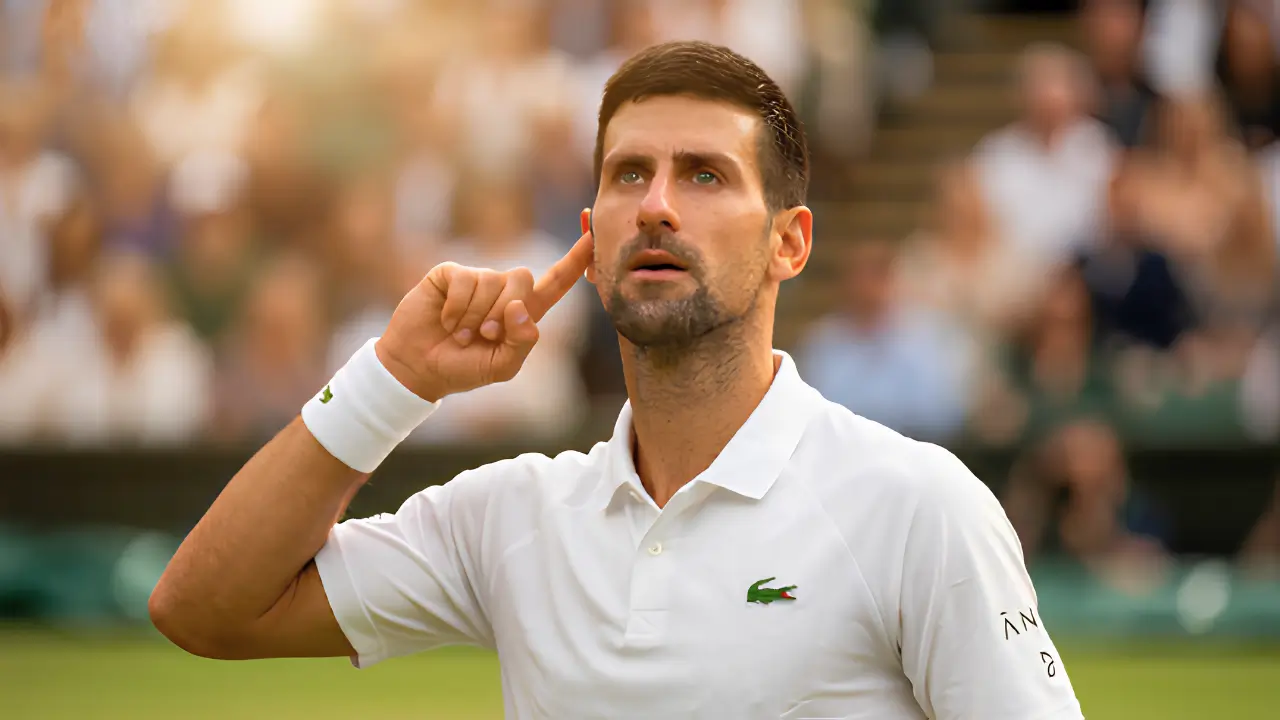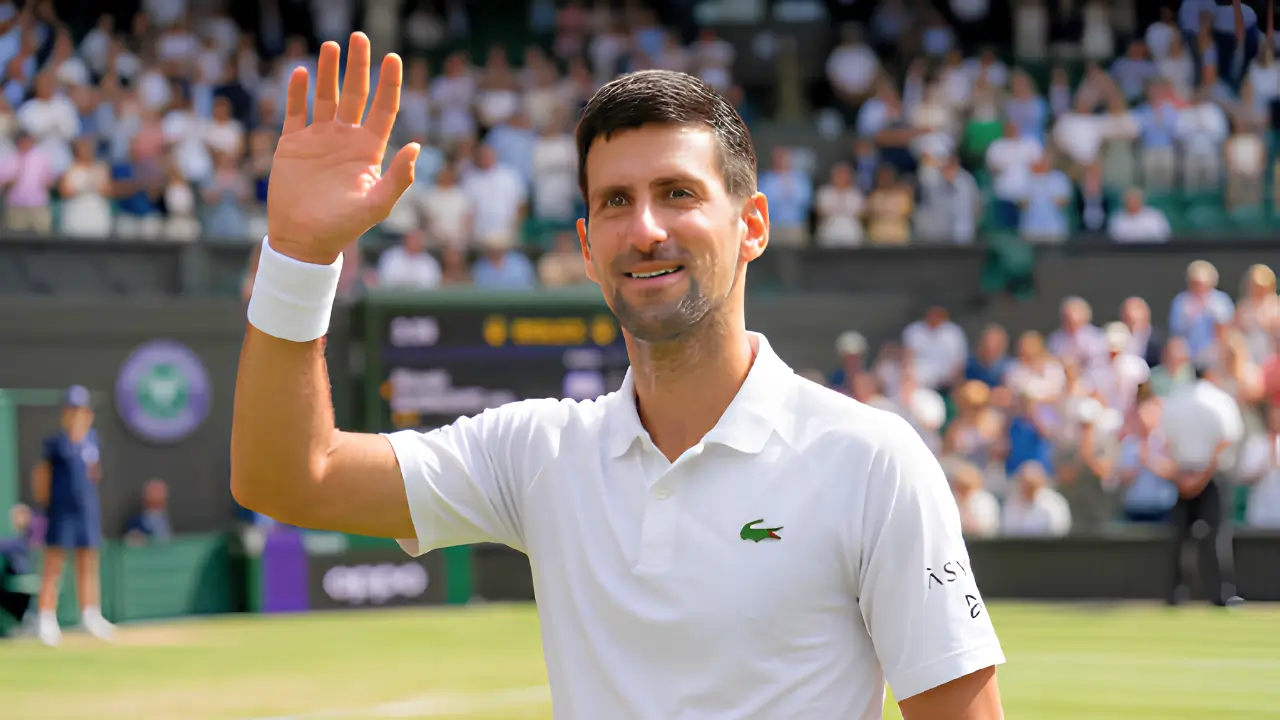

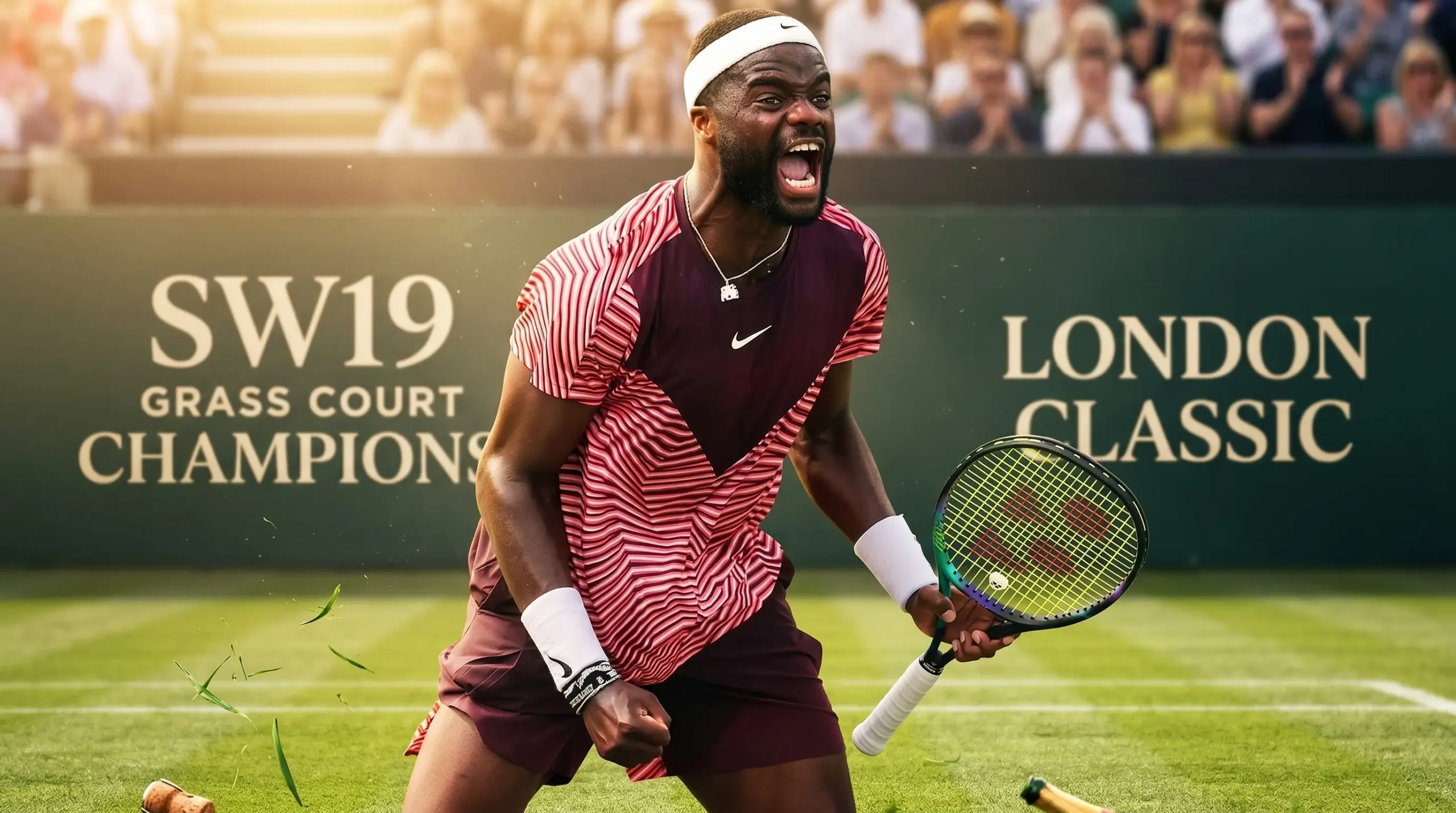
Frances Tiafoe enters Roland Garros 2026 not just as a contender, but as a symbol of a much larger question: can American men’s tennis finally break a two-decade Grand Slam drought? His comments before the tournament reveal both confidence and frustration, pointing to a competitive generation—but still falling short at the biggest moments.
A Generation Close but Not Close Enough
For years, the narrative around American men’s tennis has been consistent: strong depth, weak finishing power. Since Andy Roddick’s 2003 US Open victory, no American man has lifted a Grand Slam trophy. Yet today’s group—featuring Frances Tiafoe, Taylor Fritz, Ben Shelton, Tommy Paul, and Sebastian Korda—regularly occupies the top tiers of the rankings.
Tiafoe himself reflects this trend. At 26 years old (frances tiafoe age full overview), he has established himself as a consistent top-25 player, with a current frances tiafoe ranking hovering around world No. 21. He reached the quarter-finals at Roland Garros last year, his best result at the event.
But consistency is not the same as dominance.
What Tiafoe is really highlighting is a structural issue: American players are competitive across tournaments, but they struggle to string together seven elite matches required to win a Slam.
The “Gatekeepers” Problem in Modern Tennis
Tiafoe’s most revealing insight is about what he calls “gatekeeping” at the top of men’s tennis.
Players like Jannik Sinner, Carlos Alcaraz, and Novak Djokovic have created a bottleneck. Even when American players perform well, they often run into a near-unbeatable opponent in later rounds.
Sinner, in particular, enters Roland Garros in extraordinary form. The least news, Undefeated for months and dominating on clay, he represents the exact psychological barrier Tiafoe is talking about.
Instead of focusing purely on tactics, Tiafoe emphasizes mindset:
- Players must stop treating top stars Frances Tiafoe as untouchable
- Belief, not just skill, determines breakthrough moments
- The mental gap is often bigger than the physical one
This is not just locker-room talk—it reflects a broader shift in tennis, where confidence against elite opponents often defines careers.
Why This Matters Beyond One Tournament
The implications of Tiafoe’s comments go beyond Roland Garros.
American tennis remains one of the sport’s biggest commercial engines. A Grand Slam champion from the U.S. would:
- Boost global viewership and sponsorship interest
- Revive domestic engagement in men’s tennis
- Strengthen development pathways for younger players
Despite strong performances—like multiple Americans reaching the second week of the Australian Open—there is still no defining breakthrough moment.
Without that, the narrative remains incomplete.
Off-Court Reality: Representation and Discomfort in Tennis
While Tiafoe focuses on performance, his partner Ayan Broomfield has highlighted a different issue affecting the sport: representation and inclusion.
Her experiences at tournaments point to subtle but persistent challenges:
- Being mistaken for staff despite official credentials
- Facing assumptions about belonging in elite tennis spaces
- Observing a lack of diversity, particularly among women of color
These are not headline controversies, but they reveal something deeper about tennis culture. The sport has made progress in diversity on the court, but off-court environments still lag behind.
This matters because athletes do not exist in isolation. Their support systems—partners, families, communities—are part of the ecosystem that shapes performance and well-being.
The Human Side of Frances Tiafoe
To understand Tiafoe’s perspective, it helps to look at his background.
What is Frances Tiafoe’s story? He is one of the most compelling figures in modern tennis—a player whose parents immigrated from Sierra Leone, and who grew up training at a tennis facility where his father worked as a custodian. His rise to the top is not typical of elite tennis pathways.
This background influences how he sees the sport:
- He values opportunity and representation
- He understands pressure differently than many peers
- He brings emotional openness into a traditionally reserved sport
It also explains his emphasis on belief. For Tiafoe, mindset is not just strategy—it is personal history.
Short Overview

Big Facts
- Frances Tiafoe ranking remains inside the top 25, reflecting consistency but not yet elite breakthrough
- No American man has won a Grand Slam since 2003
- Multiple U.S. players regularly reach second weeks of majors
- Jannik Sinner enters Roland Garros as the dominant favorite
- Tiafoe continues to perform strongly in early rounds, including a perfect opening-round record this season

Negative Factors
- Lack of a true Grand Slam closer despite strong depth
- Psychological barrier against top-ranked players like Sinner
- Inconsistency across long tournament runs
- Heavy competition from a new generation of global stars
- Pressure from historical expectations and media narratives
Personal Spotlight: Questions Around Tiafoe
Interest in Tiafoe has grown beyond tennis, leading to common questions:
- Is Frances Tiafoe a twin? Yes, he has a twin brother, Franklin Tiafoe
- Is Francis Tiafoe in a relationship? Yes, he is in a long-term relationship with Ayan Broomfield
- Did Frances Tiafoe leave Nike? There is no confirmed major shift suggesting a significant brand departure in recent updates
- Frances Tiafoe net worth is estimated in the multi-million-dollar range, driven by prize money and endorsements
These details reflect his growing profile as both an athlete and public figure.
What Needs to Change for a Breakthrough
If American players are to end the drought, several shifts are necessary:
- Greater mental resilience in late-stage matches
- Tactical adaptability against top-tier opponents
- Improved physical endurance across two-week tournaments
- A player capable of sustaining peak form under pressure
Tiafoe’s comments suggest that belief may be the missing ingredient—but belief alone is not enough. Execution at the highest level remains the ultimate test.
Looking Ahead: Roland Garros as a Reality Check
Roland Garros is traditionally the most challenging surface for American players, due to its slow clay courts and demanding physical rallies.
For Tiafoe, this tournament represents:
- A chance to build on last year’s quarter-final run
- An opportunity to challenge the dominance of players like Sinner
- A test of whether mindset can translate into results
If he—or any American—makes a deep run, it could signal a turning point. If not, the questions will only grow louder.
The reality is clear: the talent is there, the depth is there, and the opportunities are there. What remains uncertain is whether this generation can finally cross the line that has eluded American men’s tennis for over 20 years.
Sources:
Frances Tiafoe’s girlfriend Ayan Broomfield addresses racism tennis star’s partners face