
Introduction
If you’ve typed “how do I register to vote” into a search bar, you’re probably somewhere between curious and slightly overwhelmed. Maybe you just turned 18, moved to a new state, became a U.S. citizen, or simply realized you’ve never gotten around to it. Whatever brought you here, the good news is this: registering to vote in the United States is one of the least complicated parts of the whole voting process. It usually takes less time than ordering food online.
This guide walks through exactly who is eligible, what documents you’ll need, the different ways you can register (online, by mail, or in person), state-by-state deadline differences, and what to do if something goes wrong — like a missed deadline or a registration mix-up. By the end, you’ll know precisely what to do next, whether that’s registering today or double-checking a registration you set up years ago.
Who Is Eligible to Register to Vote?
Before filling out any form, it helps to confirm you actually meet the basic requirements. Federal law sets the floor, but each state adds its own residency and paperwork rules on top.
In nearly every state, to register you generally need to:
- Be a U.S. citizen (by birth or naturalization)
- Be at least 18 years old by Election Day (some states allow 16- or 17-year-olds to pre-register, so their registration activates once they turn 18)
- Meet your state’s residency requirement — this usually just means living at the address you’re registering from
- Not be currently serving a felony sentence in a way that disqualifies you under your state’s law (rules vary significantly by state — some restore voting rights immediately after release, others after full completion of parole or probation)
- Not be under a court order declaring you legally incompetent for voting purposes
A quick pain point worth addressing: if you’re a college student living away from home, you can typically choose to register either where you go to school or at your permanent home address — but not both. Registering in two places, even by accident, can cause problems down the line, so pick one and stick with it.
If you’re unsure whether you qualify because of a past conviction, your state’s election office (or a local voter-rights organization) can tell you exactly where you stand — rules here differ enough from state to state that it’s worth checking directly rather than guessing.
What Documents Do You Need to Register?
This is one of the most common points of confusion, mostly because requirements aren’t identical nationwide.
In most cases, you’ll need one of the following:
- A driver’s license number, or
- A state-issued ID number, or
- If you have neither, the last four digits of your Social Security number
Some states will also accept alternative documentation — like a recent bank statement, utility bill, or paycheck showing your name and address — if you don’t have a driver’s license or state ID. If you register online or through the DMV, the system often verifies your identity electronically, so you may not need to submit anything by mail at all.
Practical tip: if you’ve recently moved, changed your name (through marriage, divorce, or another legal process), or become a naturalized citizen, you’ll need to register again or update your existing registration — it doesn’t carry over automatically in most states.
How Do I Register to Vote? Three Main Methods
There are three practical paths to getting registered. Which one makes sense depends on your comfort with technology, your state’s rules, and how much lead time you have before an election.
1. Register Online
This is the fastest option, and it’s available in most — though not all — states. Here’s how it generally works:
- Go to the federal government’s official portal, vote.gov, or your state election office’s website.
- Select your state; the site will route you to the correct online portal if your state offers one.
- Fill in your name, address, date of birth, and ID information.
- Submit and, in many states, you’ll get a confirmation or reference number on screen or by email.
Online registration usually takes five to ten minutes if you have your ID number handy. A handful of states don’t yet offer online registration — in those cases, you’ll be directed to a mail-in or in-person option instead.
2. Register by Mail
If your state doesn’t offer online registration, or you simply prefer paper:
- Download the National Mail Voter Registration Form, available through the U.S. Election Assistance Commission or vote.gov.
- Print it, fill it out by hand, and sign it — an unsigned form is one of the most common reasons applications get sent back.
- Mail it to the address listed for your state (this appears in the form’s instructions).
Mailed applications typically need to be postmarked, not received, by your state’s registration deadline — but always confirm this with your local election office, since a few states require the form to arrive by the deadline rather than just be postmarked.
3. Register in Person
You can also register face-to-face at several types of locations:
- Your local county or city election office
- The Department of Motor Vehicles (many states let you register or update your registration whenever you renew or apply for a license, under what’s sometimes called “Motor Voter” registration)
- Public assistance offices, such as SNAP or Medicaid offices
- Armed forces recruitment centers
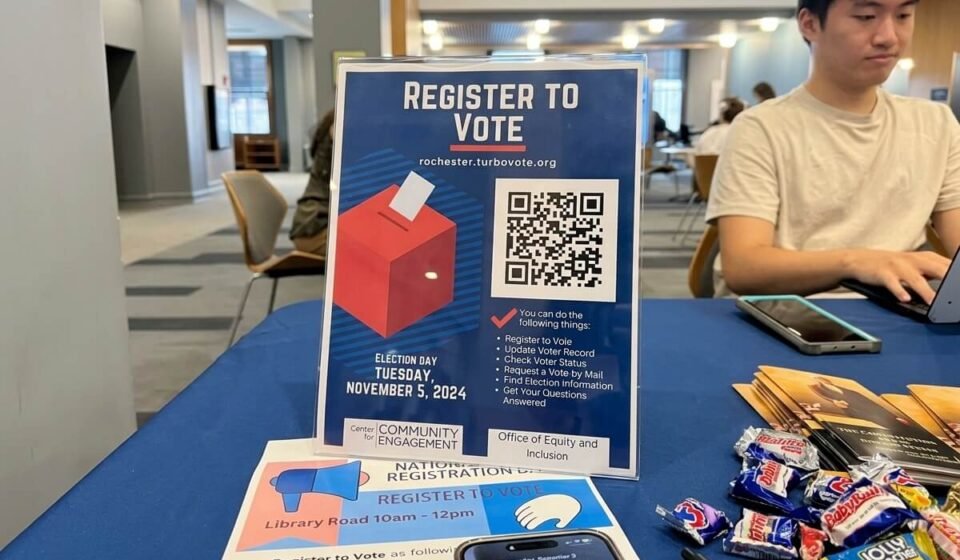
- Some public libraries, during registration drives
In-person registration is a solid choice if you want immediate confirmation that your paperwork was received correctly, or if you’re helping a family member who isn’t comfortable with online forms.
Registration Deadlines: Why Timing Matters
This is where a lot of people run into trouble — not because registering is hard, but because they wait too long.
Deadlines vary by state, but a common range is 15 to 30 days before an election. A smaller group of states offer same-day registration, meaning you can register and vote on Election Day itself, often at your polling place, sometimes with proof of residency required at that time.
Because the exact cutoff shifts depending on where you live and which election is coming up, the most reliable move is to check your state election office’s website or vote.gov directly rather than relying on a general rule of thumb. If you’re registering close to a deadline, in-person or online registration is safer than mail, since a delayed postmark can push your form past the cutoff.
A realistic scenario: say you moved from Ohio to Texas three weeks before a primary election. If Texas’s deadline has already passed by the time you check, you won’t be able to vote in that particular primary — but you can still register for the next election. This is a common and fixable situation, not a dead end.
Common Mistakes That Delay or Reject Registration
A few recurring issues cause otherwise-eligible people to get rejected or delayed:
- Missing signature on a mailed form
- P.O. Box used as a residential address — most states require a physical street address, even if your mail goes to a P.O. Box separately
- Mismatched name between your ID and your registration (for example, registering under a married name when your driver’s license still shows a maiden name)
- Registering in two states at once, which can flag both registrations for review
- Incomplete ID information, such as leaving the driver’s license or Social Security fields blank when required
If your registration is rejected, most states will notify you by mail with the specific reason, and you can usually correct and resubmit it well before the next election.
How Do I Check or Update My Voter Registration Status?
If you’ve registered before but aren’t sure whether it’s still active — especially after a move — most state election office websites let you look up your status using your name and date of birth. It’s worth doing this a few months before any major election, since:
- Some states periodically remove voters from rolls after long periods of inactivity or unreturned confirmation mailings
- An address change from a previous residence needs to be updated, or your polling place and ballot may be sent to the wrong precinct
- A name change from marriage or a legal process should be reflected on file to avoid ID-mismatch issues at the polls
Updating your registration typically uses the same online, mail, or in-person process as registering for the first time.
Frequently Asked Question
Do I have to register every time there’s an election? No. Once you’re registered and your information stays current (same name, same address), you generally remain registered indefinitely. You only need to re-register if you move, change your legal name, or if your state has removed you from the rolls due to prolonged inactivity.
Can I register to vote if I don’t have a driver’s license? Yes. If you don’t have a driver’s license or state ID, most states will accept the last four digits of your Social Security number, and some accept alternative documents like a utility bill or bank statement showing your name and address.
What happens if I miss my state’s registration deadline? You typically won’t be able to vote in that specific upcoming election, but your registration will still process for future elections. A small number of states allow same-day registration, which can be a backup option if you find out about a deadline too late.
Is online voter registration free? Yes. Registering to vote through vote.gov, your state’s official election website, or in person is completely free. Be cautious of any third-party site that asks for payment or excessive personal information — official registration never requires a fee.
Can college students register at their school address? Yes, in most states, college students can choose to register either at their school address or their permanent home address, but not both. It’s worth deciding based on which location’s elections matter more to you that year.
Key Takeaways
Registering to vote comes down to three simple checks: confirming you’re eligible, gathering the right ID information, and choosing the registration method — online, by mail, or in person — that fits your timeline. The biggest risk isn’t the paperwork itself; it’s waiting too long and missing your state’s deadline.
If you haven’t registered yet, the most reliable next step is to visit vote.gov or your state election office’s website directly and start the process today — it takes just a few minutes and removes any doubt about whether you’re ready for the next election. And if you’ve already registered, it’s worth taking two minutes to confirm your status is still active and your address is up to date, especially if you’ve moved recently.
For related reading, you might also look into guides on checking your polling location, understanding absentee and mail-in ballot rules in your state, or what to bring to the polls on Election Day.
Sources