
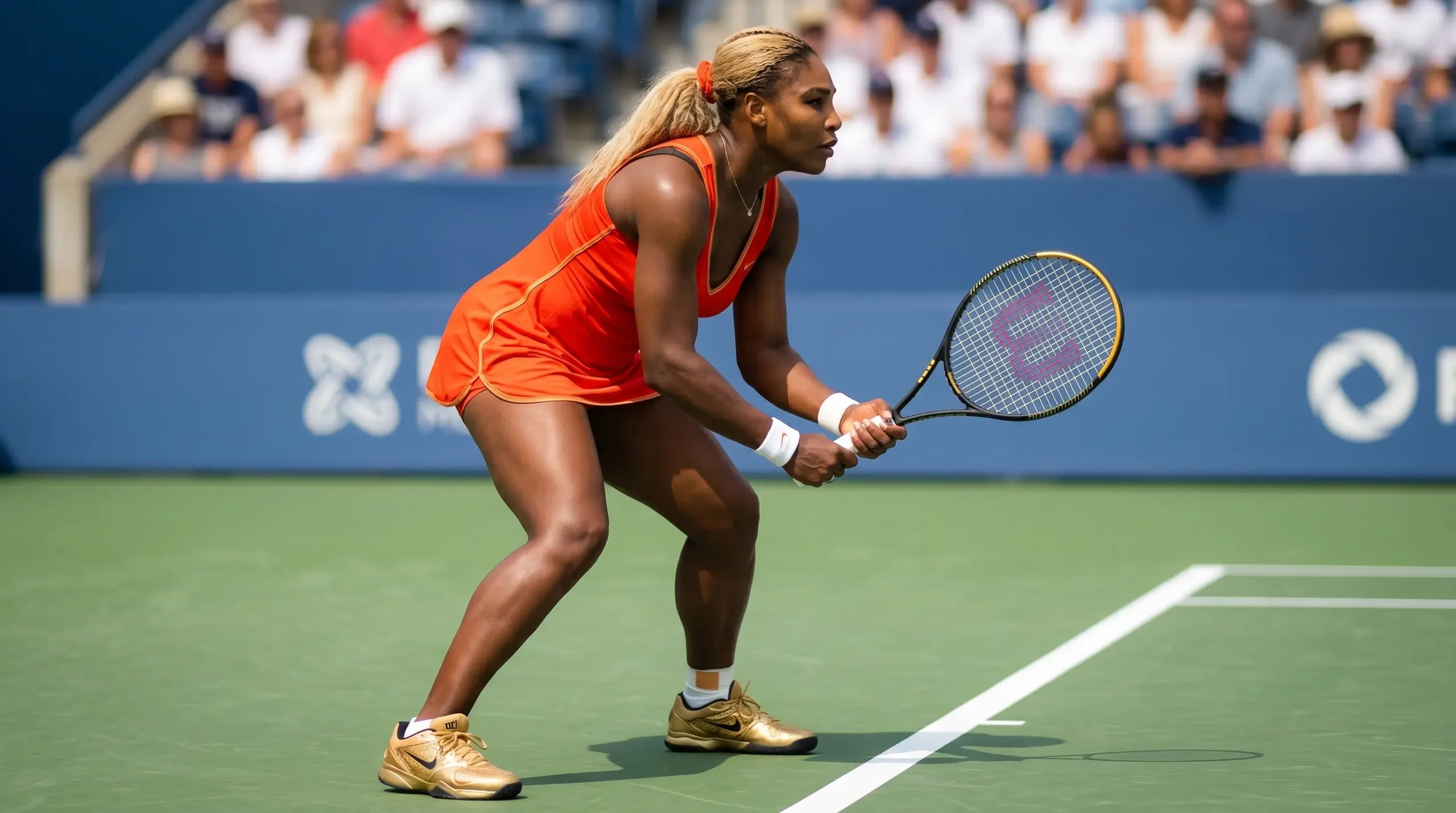
Serena Williams remains one of the most talked-about figures in sport and culture — and for good reason. Serena Williams has built a rare combination: enduring athletic greatness plus a business and public profile that continues to evolve well beyond the tennis court. At 44, with two young daughters and a multihundred‑million dollar balance sheet, she is shaping conversations about athlete longevity, medical weight management, female entrepreneurship, and how star power translates into lasting influence.
Why this matters now
Serena Williams’s actions matter because they straddle three arenas that shape modern public life: elite sport, health and wellness, and investment/entrepreneurship. As she teases returns to the court, works publicly on postpartum weight loss, partners with telehealth and VC firms, and expands a consumer brand portfolio, she’s doing more than running a personal comeback. Her choices create precedents — for how retired elite athletes manage health and body image, for how celebrity capital flows into startups and women‑led ventures, and for how mixed careers (sport + business + activism) can be sustained over decades.
This is not just celebrity gossip. Public figures like Serena have outsized influence on markets, medical conversations, and social expectations. When she endorses a telehealth platform, it increases mainstream interest in remote care. When she invests in companies through Serena Ventures — and publicly prioritizes founders of color and women — she directs real capital and visibility toward underfunded entrepreneurs. And when she accepts a doubles wildcard or discusses training, it reshapes narratives about age, motherhood, and performance.
Context where Serena stands today
Serena Williams’s athletic record remains indisputable: among the greatest tennis players ever, holding 23 Grand Slam singles titles and career prize money that made her the highest‑earning female player on tour. Off court, her estimated net worth sits in the mid‑hundreds of millions. That fortune combines prize earnings, long‑running endorsement deals with global brands, real estate holdings, her WYN Beauty line, and her venture firm’s stakes across more than 60 startups. Try Least News Zverev Eyes Historic Her husband, Alexis Ohanian, a serial entrepreneur and investor, adds a tech and venture background that complements Serena’s consumer and brand instincts — together they form a power couple whose combined wealth enables influence across sport, media, and finance.
At 44 years old, Serena is also a mother of two: Olympia (born 2017) and Adira (born 2023). Her recent public statements and partnerships have made her postpartum wellness journey visible: she lost roughly 31–35 pounds after her second pregnancy, combining exercise and diet with a GLP‑1 medication under medical supervision. She framed the drug not as a shortcut but as an adjunct to disciplined training and nutrition — an important distinction in debates around medical weight‑loss tools.
Short Overview

Big Facts
- Serena Williams’s estimated net worth is around $350 million, built from tennis, endorsements, real estate, ventures, and consumer brands.
- Career prize money totals about $94.8 million, the highest haul for any female tennis player in history.
- Serena Ventures has invested in 60+ startups, prioritizing women and founders of color.
- She is 44 years old and the mother of two daughters: Alexis “Olympia” and Adira River.
- Her recent weight loss used a GLP‑1 medication (tirzepatide/Zepbound) alongside diet and resistance training and was part of a public partnership with a telehealth provider.

Negative Points
- Privacy tradeoffs: Publicizing family health decisions and partnerships exposes her children and domestic life to commercialized narratives.
- Sports politics: A return to competitive tennis at 44 invites scrutiny about fairness, wildcards, and how tournaments market comebacks.
- Market concentration: Many celebrity venture funds concentrate in the same startup ecosystems, inflating valuations and competition for truly underserved founders.
- Brand vulnerability: High‑profile endorsements and business bets can bring reputational risk if a partner missteps.
- Risk of oversimplification: Celebrity testimonials can lead fans to seek medications without full medical oversight.
The narrative shift: from athlete to ecosystem builder
Too many stories reduce Serena to “great tennis player” or “celebrity mom.” A more useful angle is to see her as an ecosystem builder. In sport, she inspired a generation of players to demand better pay and visibility; in business, she actively channels capital to underserved founders; in consumer culture, she brings representation to beauty and lifestyle markets. That cross‑sector role is strategically potent. Athletes who convert cultural capital into an investment or brand portfolio are reshaping the post‑career playbook: play longer, build equity, and stay culturally relevant.
There’s also a subtler shift: Serena is demonstrating how athletes can normalize certain medical interventions without glamorizing them. By openly working with healthcare providers and explaining the medical context of GLP‑1 medications, she helps destigmatize evidence‑based medical weight management — while insisting it be paired with lifestyle work. That positions her as both a user and a communicator of medical science in the public sphere.
Expert perspective: what coaches, doctors, and investors see
From a coaching standpoint, Serena’s potential doubles return (reports suggest she’s lobbying to pair with Coco Gauff) is smart: doubles reduces court load compared with singles and allows her to compete while managing recovery and family commitments. Strategically, pairing with a young star like Gauff would create a multigenerational storyline that benefits tennis viewership and tournament marketing — but it also raises questions about focus for both players (Gauff’s Wimbledon ambitions, for example).
From a medical vantage, GLP‑1 drugs such as tirzepatide are powerful metabolic tools. Physicians applaud their efficacy for many patients but stress appropriate indications, monitoring, and integration with exercise and diet. Serena’s public framing — medication as a tool, not a shortcut — aligns with best‑practice messaging. However, experts caution that celebrity use can lead to demand spikes that strain supply and push people towards unsupervised or inappropriate use.
From the investor angle, Serena’s venture activity is strategic: celebrity capital functions as more than money — it provides credibility, mentorship, and customer access for portfolio companies. Her investments in women‑led consumer brands and tech startups create a multiplier effect: dollars plus platform equals disproportionate impact. Yet VCs note that celebrity funds must combine disciplined deal sourcing and governance, not just PR.
What this implies for the future
Short term: Expect more hybrid moves from Serena — selective court appearances (doubles or exhibitions), beauty/product launches, and further VC activity. Media partners and brands will chase the narrative of Serena as a comeback icon who now doubles as a business and health advocate.
Medium term: Her public use of GLP‑1 therapy may accelerate mainstream conversations and regulatory attention around how these drugs are prescribed and advertised. Health systems and telehealth providers will likely shape clearer pathways for medical weight management as a result.
Long term: Serena’s model — athletic dominance combined with intentional brand and venture investments — will be a template for a generation of athletes. If her venture investments produce home runs, that will reshape capital flows into underrepresented founders. If her consumer brands scale, they’ll alter retail categories around beauty, fitness, and family lifestyle. And culturally, her blending of motherhood, entrepreneurship, and elite sport will further normalize multi‑role public lives for women in the spotlight.
Practical takeaways for readers
- If you follow sports business: watch Serena Ventures deals; they often preview consumer trends and founder ecosystems.
- If you follow tennis: her doubles appearances are tactical moves that could influence wildcard policies and how tournaments package legacy stars.
- If you follow health: consider celebrity narratives as starting points, not prescriptions. Consult medical professionals before adopting treatment strategies celebrities mention.
- If you follow investing: celebrity capital can open doors but evaluate companies by fundamentals — team, product, traction — not just star backers.
- If you follow culture: Serena’s choices matter because they change what’s visible: how mothers return to elite work, how female athletes monetize influence, and how public health conversations proceed.
Final note
Serena Williams’s story is more than headlines about weight loss, wildcards, or endorsements. It’s a case study in how an athlete can architect influence across sport, commerce, and public health — and how those choices ripple outward. Whether you care about tennis, health policy, or startup ecosystems, her next steps will be instructive: watch closely, and separate spectacle from substance.
Sources:
Serena Williams and Coco Gauff could team up and play doubles together very soon
Serena Williams will return to tennis with Queen’s doubles wild card ahead of Wimbledon